What Would Happen To Us Without Frogs
Frogs are often overlooked and underappreciated, but they play a vital role in our ecosystem. These small amphibians serve as important indicators of
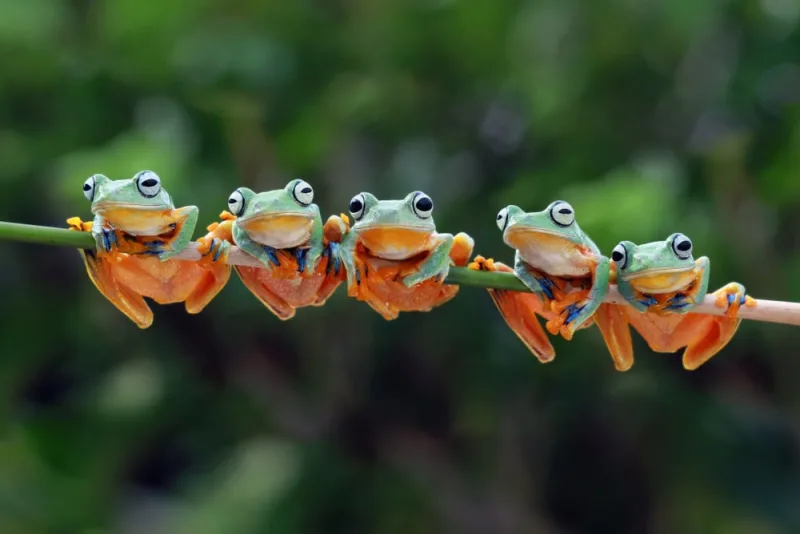
Frogs are often overlooked and underappreciated, but they play a vital role in our ecosystem. These small amphibians serve as important indicators of environmental health and are essential in maintaining balance in our ecosystem. Unfortunately, frogs are facing a number of threats, including habitat loss, pollution, and climate change. So here are five situations that could occur if we were to lose frogs.\r \r 1. Ecological Imbalances\r \r Frogs play a crucial role in maintaining the delicate balance of ecosystems. They are important predators in the food chain, feeding on insects and other small prey. Without frogs, insect populations could explode, causing widespread crop damage and disease transmission. This would have a ripple effect throughout the food chain, leading to imbalances that could impact other species and ultimately harm ecosystems. Additionally, frogs are important prey for other animals, such as birds and snakes, and their absence would have a cascading effect on these species as well.\r \r 2. Loss of Biodiversity\r \r Frogs are one of the most diverse groups of vertebrates, with over 7,000 species worldwide. They are found in a variety of habitats, from rainforests to deserts, and are adapted to a wide range of environmental conditions. Each species plays a unique role in its ecosystem, and the loss of any one species can have far-reaching consequences ( an instance of The Butterfly Effect). With many frog species already endangered or extinct, the loss of even more could have a devastating impact on global biodiversity.\r \r 3. Medical Breakthroughs\r \r Frogs are a source of important biomedical research. They produce a wide range of compounds, including antibiotics and painkillers, that have the potential to be used in human medicine. Scientists have already discovered several compounds in frog skin that have antibacterial and antiviral properties. Some of these compounds are currently being used to develop new drugs to treat diseases such as cancer and HIV. Without frogs, we would lose an important source of potential medical breakthroughs.\r \r 4. Economic Impacts\r \r Frogs are important in many cultures around the world and are often used for food or traditional medicine. In some countries, frog legs are considered a delicacy and are exported for consumption in other parts of the world. In addition, the loss of frogs could have a significant impact on the fishing industry. Frogs are an important food source for many fish species, and their absence could lead to a decline in fish populations. This would have a ripple effect throughout the industry, leading to economic impacts for fishing communities around the world.\r \r 5. Environmental Education\r \r Frogs serve as important indicators of environmental health. They are sensitive to changes in their habitat and are often the first species to disappear when an ecosystem is disturbed. By studying frogs, scientists can learn about the health of ecosystems and the impacts of human activities. In addition, frogs are often used in environmental education programs to teach children and adults about the importance of biodiversity and the need to protect our natural resources. Without frogs, we would lose an important tool for environmental education and awareness.