Urban Hazards That Can Take You Out
environments are dynamic and bustling, offering countless opportunities and conveniences. However, amidst the hustle and bustle, there are various hazards that can pose a threat to our safety. From ev...
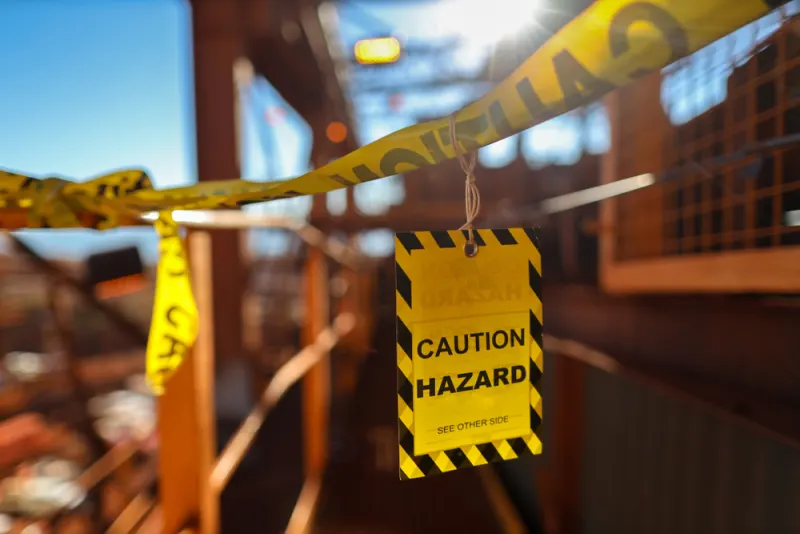
environments are dynamic and bustling, offering countless opportunities and conveniences. However, amidst the hustle and bustle, there are various hazards that can pose a threat to our safety. From everyday risks to more uncommon dangers, it is crucial to be aware of these urban hazards and take necessary precautions to protect ourselves. These are five of the most common ones.
1. Traffic Accidents
One of the most prevalent urban hazards is the risk of traffic accidents. In busy cities with heavy traffic, pedestrians, cyclists, and motorists are constantly exposed to the dangers of collisions and injuries. Distractions, speeding, reckless driving, and inadequate infrastructure can contribute to a higher risk of accidents. To mitigate this risk, pedestrians and cyclists should always follow traffic rules and use designated pathways or crosswalks. Using reflective clothing or accessories, especially at night, can enhance visibility. For motorists, adhering to speed limits, avoiding distractions (such as mobile phones), and practicing defensive driving are essential.
2. Air Pollution
Urban areas often suffer from high levels of air pollution due to vehicular emissions, industrial activities, and the concentration of buildings. Prolonged exposure to air pollution can lead to respiratory problems, cardiovascular diseases, and other health issues. To minimize the impact of air pollution, individuals can make small changes in their daily routines, such as using public transportation or carpooling to reduce vehicle emissions. Wearing masks designed to filter pollutants can also provide some protection. Advocating for cleaner energy sources, supporting environmental regulations, and planting trees and vegetation to improve air quality are collective efforts that can make a significant difference in reducing urban air pollution.
3. Crime and Personal Safety
Urban areas can present a higher risk of crime compared to rural or suburban environments. Street crimes such as robbery, assault, and theft can occur, particularly in areas with inadequate lighting, poor surveillance, or socioeconomic challenges. To enhance personal safety, individuals should be aware of their surroundings and trust their instincts. Traveling in groups, particularly at night, can provide added security. Avoiding poorly lit or secluded areas and staying in well-populated and well-lit public spaces can also minimize the risk of becoming a target for criminals. Utilizing personal safety devices, such as alarms or pepper sprays, can provide an added sense of security. Collaborative efforts between residents, local law enforcement, and community organizations to improve neighborhood watch programs, increase police presence, and promote community cohesion can also contribute to reducing crime rates in urban areas.
4. Structural Collapses and Building Safety
In densely populated urban areas, the condition of buildings and infrastructure is crucial for public safety. Aging structures, lack of maintenance, and inadequate construction practices can increase the risk of structural collapses or building-related accidents. To ensure building safety, strict adherence to building codes and regulations is essential during construction or renovation. Regular inspections and maintenance of buildings, including structural integrity checks and electrical and fire safety assessments, should be prioritized. Individuals should also be cautious when entering older or poorly maintained buildings and report any concerns to the relevant authorities.
5. Environmental Hazards
Urban areas may be susceptible to various environmental hazards, such as industrial accidents, chemical spills, or natural disasters. These incidents can lead to immediate dangers and long-term health and environmental consequences. Individuals should stay informed about potential environmental hazards in their area, including industrial activities or the presence of hazardous materials. Following emergency preparedness guidelines, such as having a disaster kit and evacuation plan, is crucial. Regularly monitoring local news and weather updates can help individuals stay informed about potential risks. Engaging in community initiatives for environmental conservation and advocating for stricter environmental regulations can contribute to reducing the likelihood of environmental hazards in urban areas.