Types of Evidence That Aren't as Airtight as We Think
In the pursuit of truth and justice, evidence plays a crucial role in our legal systems, scientific investigations, and everyday decision-making. We often assume that certain types of evidence are irr...
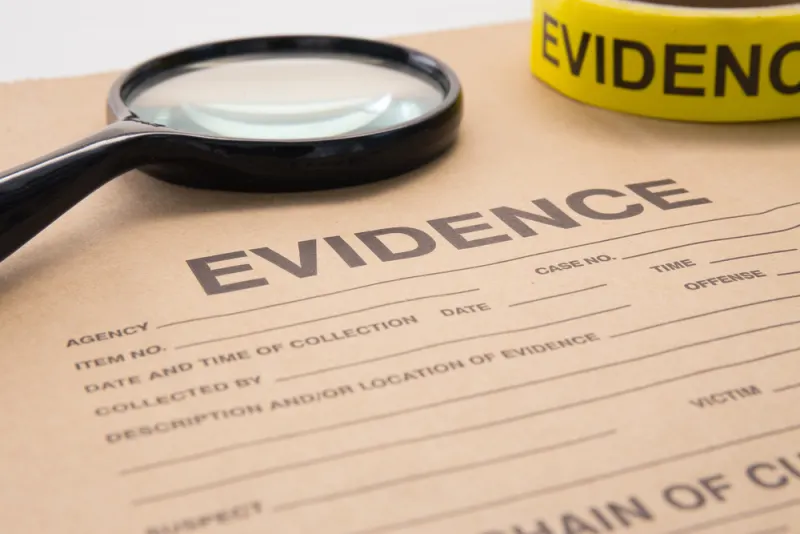
In the pursuit of truth and justice, evidence plays a crucial role in our legal systems, scientific investigations, and everyday decision-making. We often assume that certain types of evidence are irrefutable and airtight, providing definitive answers and closure. However, it is essential to recognize that not all evidence is foolproof. In this article, we’re going to take a closer look at five types of evidence that, upon closer examination, reveal potential flaws and limitations. By understanding these shortcomings, we can approach evidence more critically and make more informed judgments.
1. Eyewitness Testimony: The Unreliable Observer
Eyewitness testimony has long been considered a powerful form of evidence in legal proceedings. However, numerous studies have demonstrated its inherent unreliability. Human memory is prone to distortion, influenced by factors such as stress, suggestion, and the passage of time. Witnesses may unknowingly introduce biases or inaccuracies into their recollections, leading to mistaken identifications and false testimonies. To mitigate this, legal systems now emphasize corroborating evidence and the use of expert testimony to scrutinize the reliability of eyewitness accounts.
2. Circumstantial Evidence: Incomplete Connections
Circumstantial evidence involves drawing conclusions based on indirect indicators or facts that suggest a particular conclusion. While circumstantial evidence can be persuasive, it relies on inference rather than direct proof. This type of evidence is often criticized for its potential for multiple interpretations and the possibility of drawing incorrect conclusions. Its strength lies in the cumulative weight of various circumstances, but caution is necessary to avoid jumping to unwarranted conclusions based solely on circumstantial evidence.
3. Forensic Evidence: Room for Error
Forensic evidence, including fingerprints, DNA analysis, and ballistics, has been hailed as highly reliable and definitive in criminal investigations. However, recent advancements in forensic science have revealed potential pitfalls and limitations. Human error, contamination, and inadequate quality control measures can compromise the accuracy and reliability of forensic analysis. Additionally, contextual factors and the interpretation of complex scientific results can introduce subjectivity and bias. Ongoing efforts to improve forensic practices, enhance standards, and promote transparency are crucial to ensuring the integrity of forensic evidence.
4. Digital Evidence: Manipulation and Misinterpretation
With the prevalence of digital technology, digital evidence has become increasingly important in various fields, including criminal investigations and cybersecurity. However, digital evidence is susceptible to manipulation, fabrication, and misinterpretation. The ease with which digital records can be altered or fabricated calls for robust authentication methods and meticulous chain-of-custody protocols. Furthermore, the interpretation of digital evidence requires specialized expertise to navigate technical complexities and accurately interpret the data, mitigating the potential for misunderstandings and misattributions.
5. Expert Testimony: Subjectivity and Bias
Expert testimony is often sought to provide specialized knowledge and opinions in legal and scientific proceedings. While experts can provide valuable insights, their testimony is not immune to subjectivity and bias. Experts may hold personal or professional biases, and their opinions may differ significantly. Additionally, the weight given to expert testimony can vary, and the admissibility of expert opinions can be a matter of legal interpretation. Vigilance is necessary to ensure that expert testimony is supported by robust methodologies, transparency, and the consideration of alternative viewpoints.