The Scary Reasons Why the News Is Becoming Unreliable
The news media plays a crucial role in informing the public and shaping public opinion. However, in recent years, there has been growing concern about the reliability and trustworthiness of news sourc...
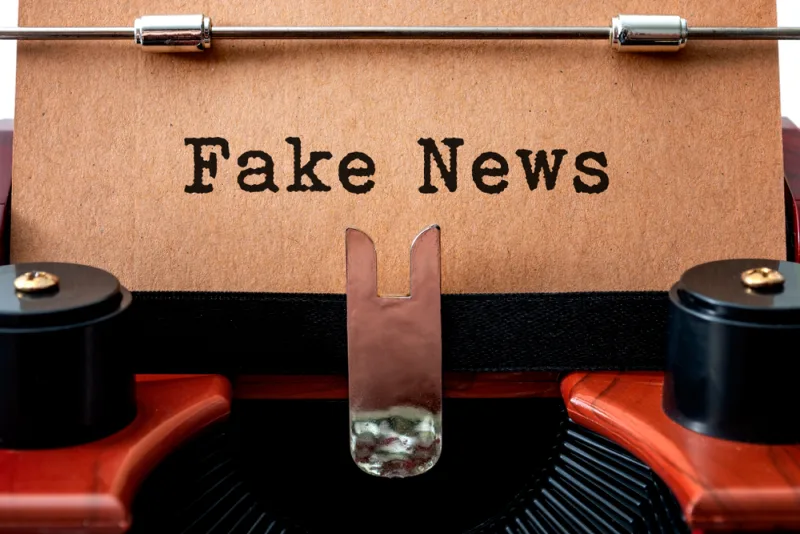
The news media plays a crucial role in informing the public and shaping public opinion. However, in recent years, there has been growing concern about the reliability and trustworthiness of news sources. From the rise of fake news to biased reporting, several factors contribute to the erosion of trust in the news. Today, we’ll look at five alarming reasons why the news is becoming increasingly unreliable. By shedding light on these issues, we aim to encourage critical thinking and media literacy, empowering individuals to navigate the complex landscape of news consumption.
1. Clickbait and Sensationalism
In today's digital age, online news platforms often prioritize generating clicks and engagement over delivering accurate and in-depth reporting. Clickbait headlines and sensationalized stories grab attention, leading to higher web traffic and ad revenue. As a result, news outlets may resort to exaggeration, distortion, or even fabrication of facts to capture audience interest. The prevalence of clickbait and sensationalism compromises the integrity of journalism. It can lead to the dissemination of misleading information and the distortion of important news stories. Consumers of news must be cautious and discerning, seeking out reliable sources that prioritize accurate reporting over sensationalism.
2. Confirmation Bias and Echo Chambers
The rise of social media and personalized news algorithms has facilitated the formation of echo chambers, where individuals are exposed only to information that aligns with their existing beliefs and opinions. This phenomenon reinforces confirmation bias, leading people to seek out and trust sources that confirm their preconceived notions while dismissing or disregarding contrary viewpoints. Echo chambers and confirmation bias can contribute to the spread of misinformation and the polarization of society. When news consumers are isolated within their own ideological bubbles, they may be less inclined to critically evaluate information or consider alternative perspectives. Overcoming this challenge requires active engagement with diverse viewpoints, fact-checking, and a commitment to media literacy.
3. Commercial Interests and Corporate Influence
Media outlets are often influenced by commercial interests and corporate agendas. In the pursuit of profit, news organizations may prioritize sensational stories that attract viewership and advertisers, compromising journalistic integrity. Additionally, corporate ownership of media conglomerates can result in editorial bias or self-censorship to protect business interests. The influence of commercial interests and corporate ownership on news content raises concerns about impartiality and the suppression of important stories. It is crucial for news consumers to seek out independent and diverse sources that prioritize accuracy and ethical reporting.
4. Political Bias and Partisan News
Political bias in news reporting has become increasingly prevalent, particularly in the era of "fake news" and highly polarized political landscapes. Media outlets, consciously or unconsciously, may succumb to partisan pressures, leading to biased coverage that favors specific political ideologies or agendas. The proliferation of partisan news outlets further exacerbates this issue, as consumers seek out sources that align with their political leanings. Biased reporting can undermine the public's trust in news organizations and hinder informed decision-making. It is essential for news consumers to be aware of the potential biases of news sources and seek out balanced and objective reporting.
5. Lack of Journalistic Standards and Fact-Checking
In the era of rapid news consumption and 24/7 news cycles, there is often pressure to be the first to report breaking news. In this race for speed, journalistic standards and thorough fact-checking can be compromised. Misinformation and inaccuracies can easily spread through the echo chambers of social media, further eroding trust in the news. The lack of rigorous fact-checking and adherence to journalistic standards can lead to the dissemination of false or incomplete information. It is crucial for news organizations to prioritize accuracy, verification, and responsible reporting to regain and maintain public trust.