The Scariest Typhoons That Have Made Landfall
Typhoons, known as cyclones in other parts of the world, are powerful and destructive weather phenomena that can leave a trail of devastation in their wake. With their high winds, torrential rains, an...
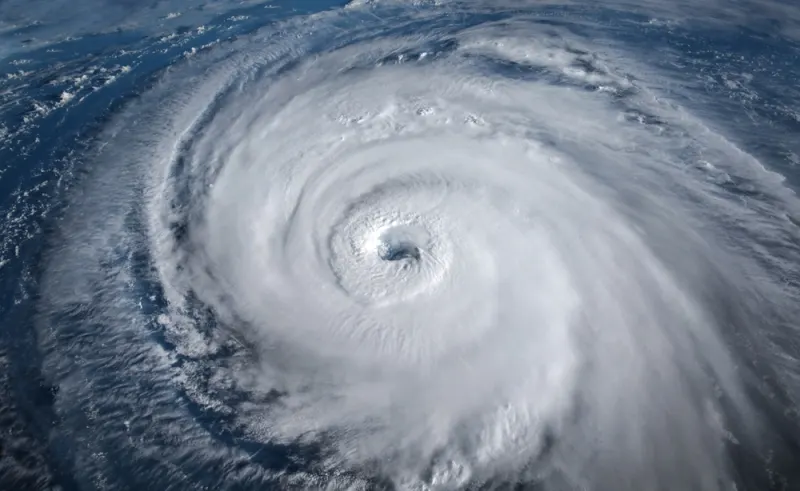
Typhoons, known as cyclones in other parts of the world, are powerful and destructive weather phenomena that can leave a trail of devastation in their wake. With their high winds, torrential rains, and storm surges, typhoons have the potential to wreak havoc on coastal areas and leave communities shattered. And today, we’re going to relive five of the scariest that have made landfall, causing widespread destruction and leaving a lasting impact on the affected regions. These typhoons serve as a reminder of the immense power of nature and the resilience of those who have endured their wrath. So, let's delve into the terrifying world of these formidable storms.
1. Super Typhoon Haiyan (Yolanda) - Philippines, 2013
Super Typhoon Haiyan, known as Typhoon Yolanda in the Philippines, holds the dubious distinction of being one of the strongest and deadliest typhoons ever recorded. In November 2013, this Category 5 storm made landfall in the Philippines, particularly impacting the central Visayas region. With winds reaching a staggering 195 mph (315 km/h), Haiyan left a catastrophic trail of destruction in its path. The storm surge generated by Haiyan was devastating, causing widespread flooding and destroying entire coastal communities. The city of Tacloban was among the hardest-hit areas, with thousands of lives lost and significant damage to infrastructure.
2. Typhoon Hato - Macau and Hong Kong, 2017
Typhoon Hato, also known as Typhoon Isang, struck Macau and Hong Kong in August 2017, leaving a trail of destruction and chaos. This powerful typhoon brought with it winds of up to 160 mph (260 km/h), causing massive power outages and severe damage to buildings and infrastructure. Hato's impact was particularly felt in Macau, where it was the strongest typhoon to hit the city in more than 50 years. The storm surge and heavy rains triggered widespread flooding, leaving streets submerged and residents stranded. The high winds uprooted trees, damaged roofs, and toppled scaffolding, posing significant risks to anyone caught in the storm's path.
3. Typhoon Haiyan (Megi) - Taiwan and China, 2010
In October 2010, Typhoon Haiyan, also known as Typhoon Megi, made landfall in Taiwan before moving on to China's Fujian Province. With sustained winds of 150 mph (240 km/h), Haiyan was a formidable Category 4 typhoon that left destruction in its wake. In Taiwan, the storm caused widespread flooding, landslides, and power outages, resulting in significant disruption and loss of life. Upon reaching China, Haiyan unleashed its fury on the coastal areas of Fujian Province, bringing torrential rains and powerful winds. The storm triggered mudslides and caused extensive damage to infrastructure, leaving communities in ruins.
4. Typhoon Nina (Bebe) - Philippines, 1975
Typhoon Nina, also known as Typhoon Bebe, is remembered as one of the deadliest typhoons to hit the Philippines. In November 1975, this Category 5 storm struck the Bicol Region in the Philippines, leaving a devastating impact on the area. With winds reaching 180 mph (290 km/h), Nina caused extensive damage to homes, infrastructure, and crops, leaving thousands dead or missing. One of the most tragic aspects of Typhoon Nina was the flooding it caused. The heavy rains triggered flash floods and landslides, washing away entire villages and leaving survivors grappling with the loss of their loved ones and livelihoods.
5. Super Typhoon Megi (Juan) - Philippines and Taiwan, 2010
Super Typhoon Megi, known as Typhoon Juan in the Philippines, was an exceptionally powerful storm that made landfall in both the Philippines and Taiwan in October 2010. With sustained winds of 165 mph (270 km/h), Megi was a Category 5 typhoon that left a path of destruction as it passed. In the Philippines, the storm caused extensive damage leading to widespread displacement and loss of life. Upon reaching Taiwan, Super Typhoon Megi brought torrential rains and powerful winds, triggering landslides, flooding, and massive power outages. The storm's impact was particularly felt in the mountainous regions of Taiwan, where the combination of heavy rainfall and steep terrain intensified the devastation.