The Most Important Paintings in Human History
Alright, art aficionados, prepare to dive into a world of color, creativity, and cultural impact like no other. We're about to unveil the brushstrokes that changed the game, the masterpieces that left...
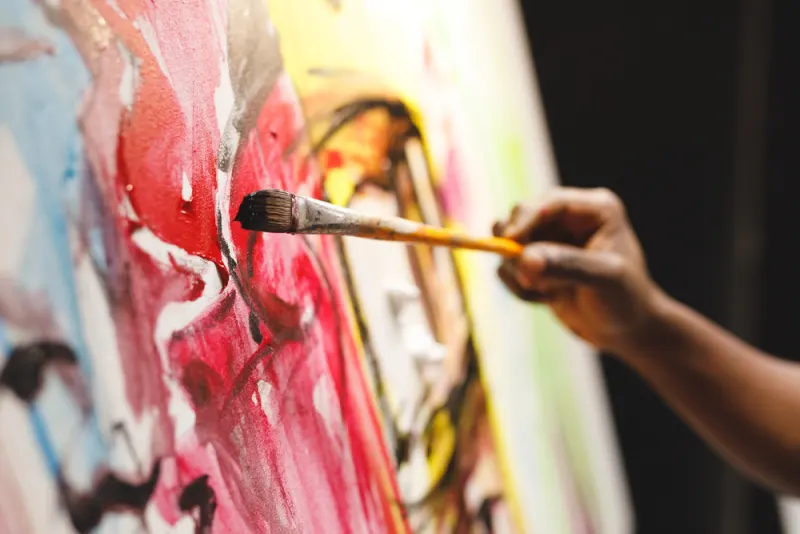
Alright, art aficionados, prepare to dive into a world of color, creativity, and cultural impact like no other. We're about to unveil the brushstrokes that changed the game, the masterpieces that left an indelible mark on human history. From caves to canvas, these paintings have shaped our understanding of the world, stirred emotions, and ignited revolutions. So, grab your virtual berets, and let's journey through the galleries of time to explore the five most important paintings in human history.
1. Lascaux Cave Paintings
Time to travel way back to the prehistoric past, my friends. Deep within the dark, mystical caverns of Lascaux, France, our ancient ancestors left their mark with what is now considered some of the oldest art in human history. Dating back over 17,000 years, these vibrant paintings of animals like horses, bulls, and deer provide a captivating window into the world of our distant past. While we might not have a handy artist signature, these remarkable creations reveal the dawn of human imagination, storytelling, and symbolic expression. As we gaze upon these primitive pigments, we connect with the souls of those who first dared to transform their surroundings into works of art.
2. Leonardo da Vinci's "Mona Lisa"
Fast-forward to the Italian Renaissance, where art was buzzing with innovation and enlightenment. Leonardo da Vinci, a true polymath, graced the world with the enigmatic "Mona Lisa." This painting, with its haunting smile and piercing gaze, is like a time capsule of the era's spirit. Painted with meticulous precision and an attention to detail that's practically supernatural, the "Mona Lisa" set a new standard for portrait art. It's not just a painting; it's a portal into the mind of a genius. From the chiaroscuro technique that adds depth to her eyes to the sfumato technique that blurs the edges of her smile, da Vinci's masterpiece whispers secrets of human emotion and technical mastery that still captivate us today.
3. Edvard Munch's "The Scream"
Hold on to your hats, because we're about to dive headfirst into the tempest of emotion that is Edvard Munch's "The Scream." This iconic painting, created at the end of the 19th century, captures the anguish, anxiety, and existential dread that were bubbling beneath the surface of modern society. The figure's distorted features and swirling background seem to mirror the tumultuous changes of the industrial age. Munch's "The Scream" isn't just a painting; it's a scream into the void of modernity, echoing the inner turmoil of countless souls. It's a reminder that art isn't always about beauty; sometimes, it's about confronting the uncomfortable truths that define our humanity.
4. Pablo Picasso's "Guernica"
Time to make a pit stop in the harrowing world of Pablo Picasso's "Guernica," an artwork that's less a painting and more a thunderous protest against the horrors of war. Created in response to the bombing of the town of Guernica during the Spanish Civil War, this monumental work is a visual assault on the senses. The distorted figures and shattered forms capture the chaos and suffering of conflict, while the monochromatic palette adds a haunting gravity to the scene. "Guernica" isn't just a painting; it's a scathing indictment of violence and a rallying cry for peace. Picasso's masterpiece reminds us that art can be a powerful weapon, capable of shaking the world awake to the atrocities that mar our history.
5. Jackson Pollock's "Number 1A, 1948"
Let's wrap things up in a whirlwind of abstract expressionism, shall we? Jackson Pollock's "Number 1A, 1948" is a dazzling dance of drips, splatters, and energy that redefined the very concept of painting. No more meticulously crafted images; Pollock's canvas became a stage for raw emotion and unbridled creativity. As we stand before this explosive masterpiece, we're reminded that art isn't always about representation; sometimes, it's about the act of creation itself. "Number 1A, 1948" captures the rebellious spirit of the post-war era, inviting us to rethink what art can be and challenging us to embrace the wild, untamed energy of our own imaginations.