The Biggest Misconceptions About Islam
Islam, one of the world's major religions, often finds itself at the center of discussions and debates. Unfortunately, like many religions, it has its fair share of misconceptions that can cloud under...
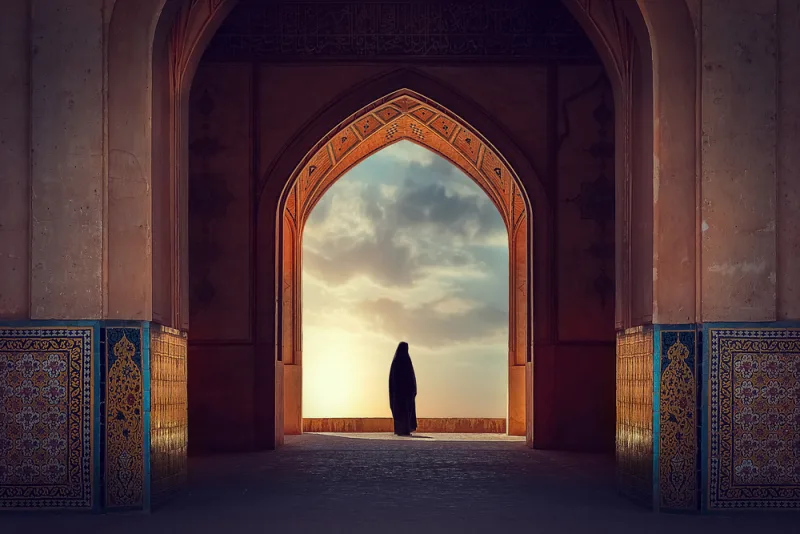
Islam, one of the world's major religions, often finds itself at the center of discussions and debates. Unfortunately, like many religions, it has its fair share of misconceptions that can cloud understanding and perpetuate stereotypes. It's time to clear the air and dispel some of the most common misunderstandings about Islam. Let's dive into the truth behind these misconceptions and gain a more accurate understanding of this diverse and complex faith.
1. Islam and Terrorism
One of the most damaging misconceptions is the association of Islam with terrorism. This connection couldn't be further from the truth. Terrorism is a global issue that transcends religious boundaries, and it's essential to separate the actions of a few extremists from the beliefs of an entire religious community. Islam, like many other faiths, promotes values of peace, compassion, and social justice. The overwhelming majority of Muslims are peaceful individuals who abhor violence. Acts of terror carried out by extremist groups often distort the teachings of Islam for their own political agendas. Just as Christianity is not defined by the actions of the Crusaders or the actions of a handful of extremists, Islam should not be defined by those who misuse its principles. By understanding the true values of Islam and recognizing the diversity within the Muslim community, we can dispel the harmful misconception that associates the religion with terrorism.
2. Women's Rights and Islam
Another prevalent misconception revolves around the perception of women's rights in Islam. Contrary to popular belief, Islam does not inherently promote the subjugation of women. While cultural practices in some regions might have skewed interpretations of Islamic teachings, the religion itself actually emphasizes the dignity, respect, and equality of women. Islam granted women rights during a time when they were often treated as property. The religion's early teachings included the right to education, ownership, and financial independence. The Prophet Muhammad's teachings encouraged the empowerment of women and condemned harmful practices like female infanticide. Although cultural practices might vary, Islam's core teachings advocate for gender equality and the protection of women's rights. It's essential to distinguish between cultural practices and the genuine teachings of Islam when discussing women's rights within the faith.
3. Jihad and Its True Meaning
The term "jihad" is perhaps one of the most misunderstood concepts in Islam. Often associated with holy war or violence, jihad's true meaning is far more nuanced. In Arabic, "jihad" means "struggle" or "striving." While it can refer to a physical struggle, it's most commonly understood as an internal, spiritual struggle to better oneself and live according to the principles of Islam. The concept of jihad includes striving for self-improvement, resisting negative impulses, and standing up against injustices. The majority of Muslims interpret jihad as a peaceful, personal journey rather than a call to violence. It's important to recognize the different interpretations and to avoid reducing this complex term to a narrow and inaccurate understanding.
4. Sharia Law and Misunderstandings
Sharia law is often misunderstood as a rigid and draconian legal system synonymous with punishment and oppression. However, the reality is far more intricate. Sharia, derived from Islamic principles and jurisprudence, encompasses a wide range of guidelines that Muslims may choose to follow in their personal lives. It covers aspects of ethics, morality, family law, and financial transactions. Sharia law is not a single, uniform code. It varies across different cultural and geographical contexts, and its interpretation can evolve over time. Moreover, not all Muslims adhere strictly to Sharia law in their daily lives. While some aspects, such as the prohibition of interest (usury) in financial transactions, are common among Muslims, many other elements are a matter of personal choice. It's crucial to recognize the diversity within the Muslim world when discussing Sharia law and to avoid perpetuating misconceptions that oversimplify its complexity and significance.
5. The Diversity of Muslim Identity
Perhaps one of the most overlooked aspects of Islam is its incredible diversity. Islam is practiced by over a billion people around the world, representing a multitude of cultures, languages, and traditions. Yet, the media often portrays Muslims as a monolithic group with a singular identity. In reality, Muslims come from diverse backgrounds, and their practices can differ significantly. From the Sunni and Shia branches to various Sufi orders, Islam is a tapestry of different beliefs and interpretations. The everyday lives of Muslims are influenced by their cultural heritage, geographical location, and personal convictions. It's important to appreciate this diversity and avoid homogenizing Muslims, as it fails to acknowledge the rich tapestry of traditions, languages, and histories that make up the Muslim world.