Surprising Places Bacteria Thrives: Unveiling the Microbial Hideouts
Bacteria are microscopic organisms that exist all around us; some are harmless, while others can pose health risks. While we often associate bacteria with places like bathrooms or dirty surfaces, the...
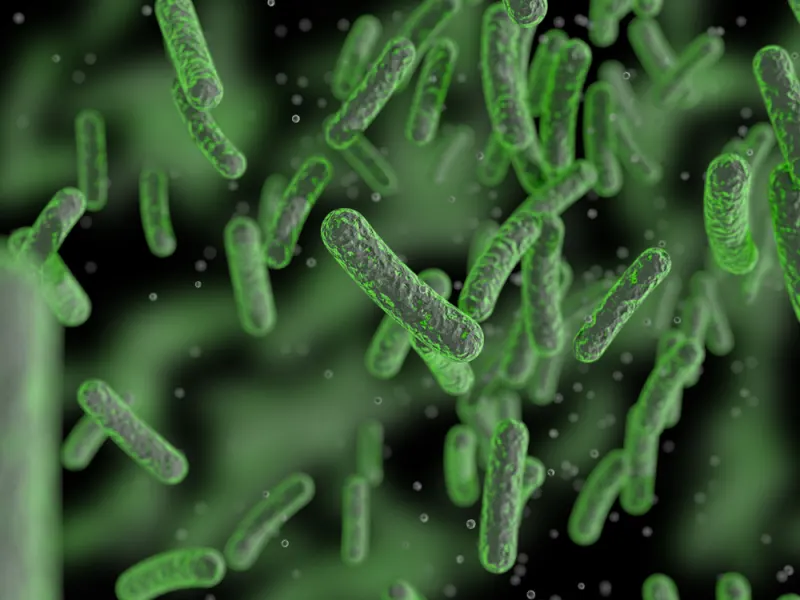
Bacteria are microscopic organisms that exist all around us; some are harmless, while others can pose health risks. While we often associate bacteria with places like bathrooms or dirty surfaces, the truth is that they can thrive in unexpected and surprising locations. Which is why we’re going to explore five surprising places where bacteria find their thriving grounds. Get ready to discover these unexpected bacterial hotspots and gain a deeper understanding of the diverse world of microorganisms.
1. Kitchen Sponges
When it comes to bacteria hideouts, kitchen sponges take the spotlight. These seemingly innocuous cleaning tools harbor a staggering number of bacteria. Studies have found that kitchen sponges can contain various types of bacteria, including E. coli and Salmonella. The combination of moisture, food residues, and warmth provides an ideal breeding ground for microbial growth. To minimize bacterial contamination, it's crucial to regularly sanitize and replace kitchen sponges to prevent the spread of harmful bacteria in the kitchen.
2. Toothbrush Holders
Your toothbrush holder may be a surprising source of bacterial colonization. It's a small and often overlooked item in the bathroom, but it can harbor bacteria from the moist environment. Research has revealed that toothbrush holders can contain bacterial species such as Staphylococcus, Streptococcus, and E. coli. The combination of toothpaste residue, water droplets, and inadequate cleaning can contribute to bacterial growth. Regularly cleaning toothbrush holders and allowing them to dry thoroughly can help minimize bacterial contamination and promote better oral hygiene.
3. Reusable Shopping Bags
While reusable shopping bags are an eco-friendly alternative to single-use plastic bags, they can also be a hidden breeding ground for bacteria. A study conducted on reusable bags found that a significant number tested positive for coliform bacteria, including E. coli. Factors such as food spills, inadequate cleaning, and storage in warm environments contribute to bacterial growth. To maintain hygiene, it's important to regularly wash reusable shopping bags according to the manufacturer's instructions to reduce bacterial contamination and potential health risks.
4. Office Desks
Your office desk, where you spend hours each day, may be teeming with bacteria. Studies have shown that office desks can harbor bacteria like Staphylococcus, Streptococcus, and even fecal bacteria. Poor hand hygiene, shared surfaces, and infrequent cleaning contribute to bacterial accumulation. Regularly cleaning and disinfecting your office desk, including frequently touched items like keyboards and computer mice, can help reduce bacterial contamination and promote a healthier workspace.
5. Washing Machines
While washing machines are meant to clean our clothes, they can also be home to bacteria. Studies have found that washing machines, particularly the rubber gasket and detergent compartments, can harbor bacteria like E. coli and Staphylococcus. Factors such as warm and moist conditions, detergent residue, and infrequent cleaning can contribute to bacterial growth. Regularly cleaning and disinfecting washing machine parts prone to bacterial accumulation can help prevent cross-contamination and ensure cleaner laundry.