Shocking Things Your Blood Type Says About You
Did you know that your blood type can reveal surprising insights about your health, personality, and even your susceptibility to certain diseases? While blood types are primarily associated with medic...
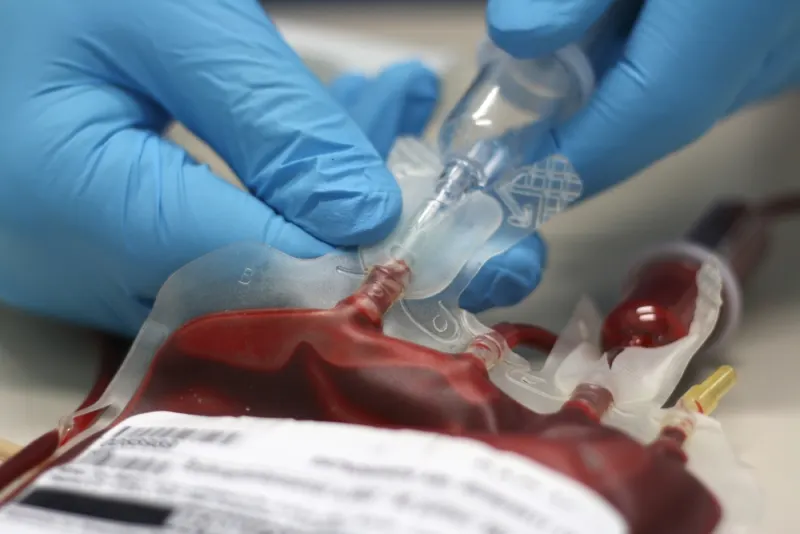
Did you know that your blood type can reveal surprising insights about your health, personality, and even your susceptibility to certain diseases? While blood types are primarily associated with medical purposes, they also hold intriguing characteristics that go beyond their primary function. Today, we'll explore five shocking things your blood type says about you, shedding light on the fascinating connections between blood types and other aspects of your life.
1. Personality Traits
Your blood type may offer clues about your personality traits. In certain cultures, such as Japan and South Korea, there's a popular belief in the "blood type personality theory." According to this theory, each blood type is associated with distinct personality traits. For example, individuals with type A blood are often described as perfectionists, organized, and detail-oriented. Those with type B blood are thought to be creative, outgoing, and independent. Type AB individuals are considered to be rational, adaptable, and calm, while type O individuals are often seen as confident, assertive, and optimistic. While blood type personality theories are not scientifically proven, they provide an interesting perspective on the connection between blood types and personality traits. It's important to remember that personality is shaped by various factors, including genetics, upbringing, and life experiences.
2. Health Risks
Believe it or not, your blood type can play a role in determining your susceptibility to certain diseases. Research suggests that specific blood types may be associated with an increased or decreased risk of developing certain health conditions. For example, individuals with type A blood may have a higher risk of developing cardiovascular disease, while those with type O blood might have a lower risk. Blood type may also influence your vulnerability to certain infections. For instance, people with type O blood are less likely to be infected by the severe forms of malaria, while those with type A blood may be more susceptible to the H. pylori bacterium, which can cause stomach ulcers. Understanding your blood type and its potential health implications can help you make informed decisions about preventive measures and screenings. Regular check-ups and consultations with healthcare professionals are essential for maintaining good health, regardless of your blood type.
3. Dietary Recommendations
Your blood type may also have implications for the types of foods that are best suited to your body. The popular "blood type diet" suggests that individuals with different blood types should follow specific dietary recommendations to optimize their health. According to this theory, individuals with type A blood are advised to follow a vegetarian or plant-based diet, as they are believed to have a more sensitive digestive system. Type O individuals, on the other hand, are recommended to consume a high-protein, meat-based diet due to their presumed ancestral connection to early hunters and gatherers. They can provide personalized dietary recommendations that take into account your overall health, medical conditions, and individual nutritional needs.
4. Fertility and Pregnancy
Your blood type can have implications for fertility and pregnancy. One critical factor is the compatibility between a mother's blood type and the baby's blood type. In cases of Rh incompatibility, when a mother is Rh-negative and the father is Rh-positive, complications can arise during pregnancy. This is because the mother's immune system may produce antibodies that attack the baby's red blood cells. Medical interventions, such as Rh immunoglobulin injections, are available to manage and prevent these complications. Additionally, some studies suggest a potential link between certain blood types and fertility rates. For example, women with type O blood may have a higher fertility rate due to lower levels of a hormone called follicle-stimulating hormone (FSH). However, more research is needed to fully understand the relationship between blood type and fertility.
5. Personality Compatibility and Relationships
Your blood type might even influence your compatibility with others, particularly in the realm of romantic relationships. Some people believe that certain blood types are more compatible or incompatible, leading to the emergence of the "blood type compatibility theory." According to this theory, certain blood types are considered more harmonious and complementary, while others may clash or have conflicting traits. This theory has gained popularity in certain cultures, with some individuals considering blood type compatibility before pursuing a romantic relationship. However, it's important to approach this theory with caution, as relationship compatibility is influenced by various factors, including communication, shared values, and mutual respect. A successful relationship is not solely determined by blood type compatibility.