Legends About Your Favorite Drinks
Raise your glass and prepare to debunk some popular legends surrounding your favorite drinks. From the mysterious origins of cocktails to the misconceptions about certain beverages, the world of libat...
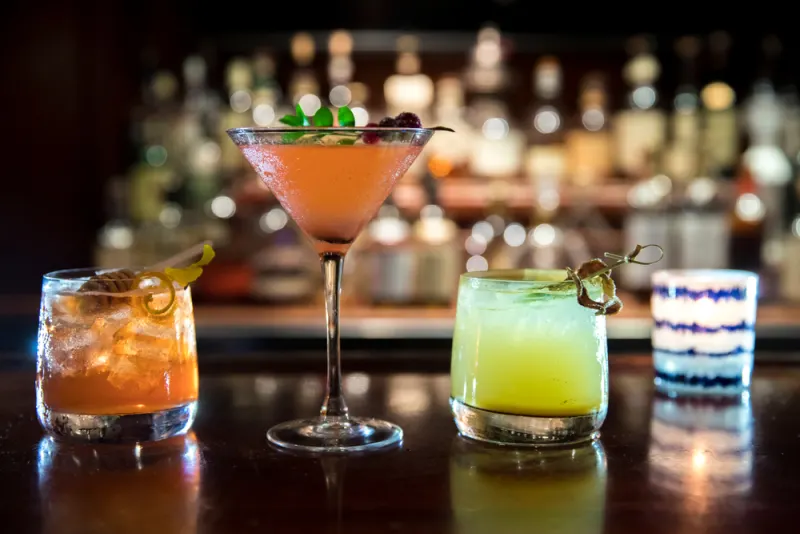
Raise your glass and prepare to debunk some popular legends surrounding your favorite drinks. From the mysterious origins of cocktails to the misconceptions about certain beverages, the world of libations is filled with intriguing stories and myths. Ioday, we will explore five fascinating legends that have become intertwined with our beloved drinks. So, let's dive in and separate fact from fiction!
1. The Mythical Origins of the Martini
The martini is an iconic cocktail associated with sophistication and elegance. However, its origin story is shrouded in mystery and multiple claims. One popular legend suggests that the martini was named after Martini & Rossi vermouth, but historical evidence contradicts this theory. Another story links it to a bartender named Julio Richelieu, who supposedly created the drink in the mid-19th century. The truth is, the exact origins of the martini remain elusive, with various theories and anecdotes adding to its enigmatic allure. What we do know is that the martini evolved over time, transitioning from a sweet and herbal concoction to a classic blend of gin and dry vermouth. It gained popularity during the Prohibition era and has since become an iconic symbol of cocktail culture.
2. The Spicy Origins of Bloody Mary
The bloody Mary is a beloved brunch cocktail known for its spicy kick and refreshing flavors. According to one popular legend, the cocktail was named after Queen Mary I of England, also known as bloody Mary. The story goes that she earned this gruesome moniker due to her brutal persecution of Protestants during her reign. However, there is no historical evidence to support this claim, and the origins of the cocktail actually trace back to 1920s Paris. Fernand Petiot, a bartender at Harry's New York Bar, is credited with creating the original bloody Mary recipe. Initially, it consisted of equal parts vodka and tomato juice, seasoned with spices and Worcestershire sauce. Over time, variations emerged, incorporating horseradish, hot sauce, and additional garnishes. While the name's connection to Queen Mary I may be a myth, the drink's popularity continues to grow, making it a staple in brunch menus worldwide.
3. The Legend of the Margarita
The margarita, a refreshing tequila-based cocktail, has become synonymous with beachside vacations and tropical vibes. One prevalent legend suggests that the margarita was invented by Carlos "Danny" Herrera, a bartender in Tijuana, Mexico. As the story goes, Herrera created the drink for a customer who couldn't handle the taste of tequila straight and preferred it mixed with lime and salt. While this tale adds a touch of romance to the margarita's history, the truth is that the cocktail's origin is more complex. The margarita's roots can be traced back to the 1930s or 1940s, with various theories attributing its creation to different individuals and locations. Regardless of its exact beginnings, the margarita has evolved into a beloved cocktail, with countless variations and flavors to suit every taste.
4. The Hidden Message in the Martini Olive
When it comes to martinis, the olive garnish has become an iconic symbol. But did you know that it holds a secret message? According to a popular legend, the number of olives in a martini can signify the drinker's intentions or availability. A single olive suggests you're taken, two olives mean you're open to conversation, and three olives imply you're looking for more than just a chat. However, this notion of olive symbolism is more of a modern invention and is not rooted in historical cocktail culture. While bartenders and enthusiasts have embraced this concept, it is not widely recognized or practiced. So, feel free to garnish your martini with as many olives as you desire, without worrying about sending hidden messages.
5. The Myth of Absinthe's Hallucinogenic Effects
Absinthe, the infamous green spirit, has long been associated with tales of hallucinations and madness. This reputation can be traced back to the late 19th and early 20th centuries when absinthe faced widespread prohibition due to concerns over its alleged psychoactive properties. The belief that absinthe causes hallucinations was fueled by its high alcohol content and the presence of a compound called thujone, found in wormwood, one of its key ingredients. However, modern scientific research has debunked the myth of absinthe's hallucinogenic effects. While thujone can indeed have some neurological effects, the concentration found in absinthe is insufficient to induce hallucinations. Today, absinthe is enjoyed as a complex and aromatic spirit, often served with a traditional ritual involving sugar cubes and water.