Incredible Ways We Prepared Food in the Past
Food preparation is an essential aspect of human culture and history, with each era introducing unique methods and techniques. From ancient civilizations to more recent times, our ancestors employed i...
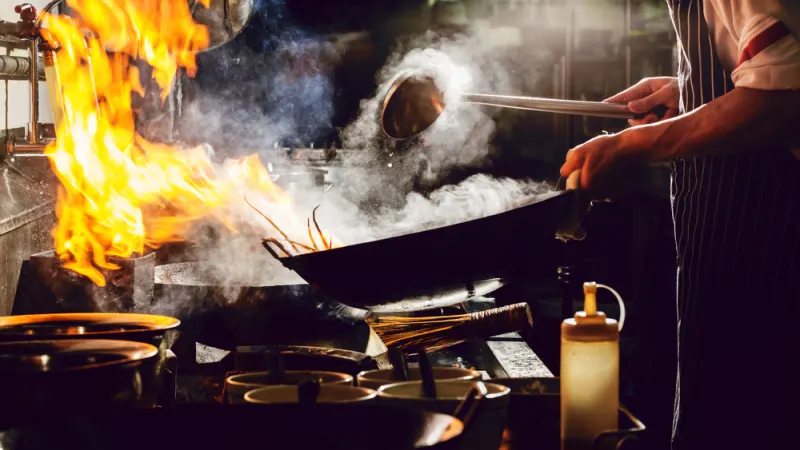
Food preparation is an essential aspect of human culture and history, with each era introducing unique methods and techniques. From ancient civilizations to more recent times, our ancestors employed ingenious ways to prepare and cook food, adapting to the available resources and technological advancements of their time. Prepare to delve into five incredible ways people prepared food in the past, showcasing the ingenuity and creativity of our culinary ancestors.
1. Stone Cooking
One of the oldest methods of food preparation is cooking with stones, a practice dating back thousands of years. This technique involves heating stones, often in a fire, and then using them as a source of heat for cooking. The stones would be placed in a pit or vessel along with the food, allowing for even heat distribution and efficient cooking. Stone cooking was particularly popular among early civilizations and indigenous communities. It provided a practical solution for cooking in areas lacking traditional cooking vessels or where open fires were challenging to maintain. This method allowed for slow, steady cooking, resulting in tender and flavorful dishes. Stone cooking techniques varied across cultures, with some using hot stones for roasting or baking, while others used heated stones in water-filled pits for boiling or steaming.
2. Earth Oven
The earth oven, also known as a pit oven or cooking mound, was a widespread method of food preparation in many ancient societies. This technique involved creating a hole or pit in the ground and lining it with stones, which were then heated by fire. Once the stones were hot enough, the fire was extinguished, and the food, such as meat, vegetables, or grains, was placed inside the pit, often wrapped in leaves or animal hides. The pit was then covered with more leaves, soil, and sometimes even clay to trap the heat and steam. Earth ovens provided a natural and effective way of cooking, utilizing the earth's insulation properties to create an enclosed, low-temperature cooking environment. This method allowed for slow and even cooking, resulting in tender, moist, and flavorful dishes. Earth ovens were used by Native American tribes, Polynesians, and indigenous communities in Australia and Africa.
3. Spit Roasting
Spit roasting, also known as rotisserie cooking, has been a popular method of food preparation for centuries. This technique involves skewering food, such as meat or vegetables, onto a long rod or spit and rotating it over an open flame or hot coals. The rotation ensures even cooking and allows the juices to baste the food, enhancing flavor and tenderness. Spit roasting was widely practiced in ancient civilizations, including the Greeks and Romans, who used elaborate mechanisms to turn large spits and roast whole animals. This method not only cooked the food but also created a communal gathering, as people would gather around the fire to share in the anticipation and enjoyment of the meal. Today, spit roasting is still popular in various cultures and is often associated with festive occasions and barbecues.
4. Fermentation
Fermentation is a culinary technique that has been employed for thousands of years to preserve and transform food. By harnessing the natural process of microbial activity, certain foods can be fermented, converting sugars into acids, alcohol, or gasses. Fermentation not only extends the shelf life of food but also imparts unique flavors, textures, and nutritional benefits. Fermented foods have been a staple in many traditional diets around the world. Examples include sauerkraut, kimchi, yogurt, sourdough bread, cheese, and various fermented beverages. The fermentation process breaks down complex compounds, making nutrients more accessible and increasing the bioavailability of certain vitamins and minerals. Additionally, fermented foods often develop tangy, savory, or sour flavors, adding depth and complexity to culinary creations.
5. Clay Pot Cooking
Clay pot cooking is a time-honored method that has been practiced in various cultures for centuries. This technique involves using clay pots, often unglazed or partially glazed, to cook food over an open fire or on a stove. The clay pot's porous nature allows for gentle heat distribution, moisture retention, and the gradual release of steam during cooking. Clay pot cooking offers several advantages. The porous clay material helps in even heat distribution, preventing hot spots and resulting in evenly cooked food. The retention of moisture and slow cooking process allows flavors to develop and intensify. Additionally, clay pots impart a distinct earthy aroma and flavor to the dishes, enhancing the overall culinary experience.