Food Trends That Negatively Affect the World
We all love staying up to date with the latest culinary trends, but have you ever stopped to consider the impact these trends might be having on our planet? Yep, that's right – some of the hottest foo...
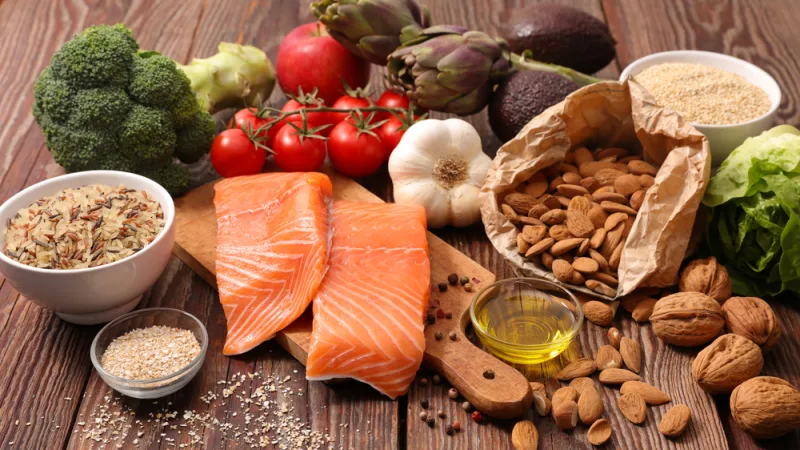
We all love staying up to date with the latest culinary trends, but have you ever stopped to consider the impact these trends might be having on our planet? Yep, that's right – some of the hottest food fads might be leaving a not-so-tasty footprint on Mother Earth. From global food supply chains to unsustainable practices, let's take a closer look at five food trends that have been raising eyebrows for all the wrong reasons.
1. Avocado Obsession
Avocado toast, avocado smoothies, avocado everything – there's no denying that this creamy green fruit has become a dietary darling. But there's a flip side to the avocado frenzy, and it involves water scarcity and deforestation. Avocado farming, particularly in regions like Mexico and parts of South America, has led to excessive water use and deforestation, both of which have negative environmental consequences. In some cases, avocado cultivation has put stress on local water sources and ecosystems, impacting communities and wildlife. So, while indulging in your avocado fix, it's worth considering where your fruit is coming from and whether it's contributing to a sustainable food system.
2. Meatless Mania
The rise of plant-based diets and meat alternatives has been hailed as a positive step toward reducing the environmental impact of animal agriculture. However, the booming demand for these products has sparked its own set of challenges. Take soy, for instance – a common ingredient in many meat substitutes. Large-scale soy farming, especially in regions like the Amazon rainforest, has been linked to deforestation and habitat destruction. Additionally, the production of some meat alternatives can require significant resources and processing, raising questions about their overall environmental footprint. It's a reminder that while plant-based options can be part of a more sustainable diet, the way these alternatives are sourced and produced matters just as much as their meat-free status.
3. Superfood Surge
Quinoa, hailed as a superfood for its nutritional value, has surged in popularity across the globe. But this surge has had unintended consequences for the communities that have been cultivating quinoa for generations. Increased demand for quinoa has driven up prices, making it less affordable for local populations in countries like Bolivia and Peru, where quinoa is a dietary staple. This has led to concerns about food security and traditional farming practices being abandoned in favor of more lucrative crops. Additionally, the transportation of quinoa to far-reaching markets can contribute to carbon emissions and environmental degradation. So, as you load up on your superfoods, consider the broader implications of their popularity on local communities and the environment.
4. Single-Use Packaging
The rise of food delivery apps and takeout culture has brought convenience to our doorstep – along with a mountain of single-use packaging waste. Styrofoam containers, plastic utensils, and excessive packaging have become the norm, contributing to pollution and harming marine life. The convenience of these food trends comes with an environmental price tag, as the demand for single-use packaging increases the demand for fossil fuels and contributes to the global plastic crisis. While enjoying your takeout, it's worth exploring ways to reduce your packaging footprint, such as choosing establishments that prioritize sustainable packaging or opting for reusable containers.
5. Exotic Ingredient Craze
Discovering new flavors from around the world is undoubtedly exciting, but the pursuit of exotic ingredients can have far-reaching consequences. The demand for rare and exotic foods can lead to overharvesting, habitat destruction, and even exploitation of local communities. For example, the global popularity of ingredients like acai berries, palm oil, and certain seafood has been linked to deforestation, loss of biodiversity, and negative social impacts. Additionally, the carbon emissions associated with transporting these ingredients across continents can contribute to climate change. So, before you hop on the exotic ingredient bandwagon, take a moment to consider the ethical and environmental implications of your culinary explorations.