Food Superstitions You Need to Know About
Food has always been an integral part of our lives, providing sustenance and enjoyment. However, across cultures and generations, various superstitions have emerged, associating certain beliefs and pr...
Food has always been an integral part of our lives, providing sustenance and enjoyment. However, across cultures and generations, various superstitions have emerged, associating certain beliefs and practices with the act of eating. While these superstitions may seem irrational to some, they hold a deep-rooted significance for many. Let’s dive into five intriguing food superstitions from around the world, offering a glimpse into the curious realm of culinary beliefs.
1. Breaking the Wishbone
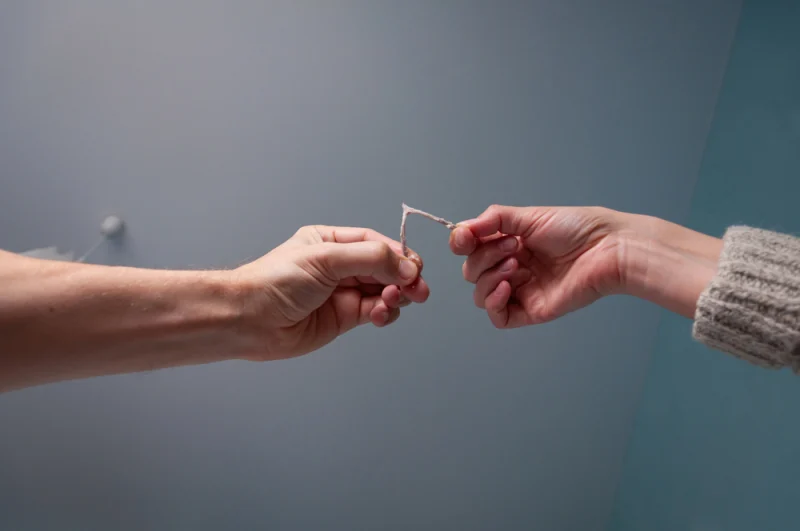
Have you ever wondered why people engage in the peculiar tradition of breaking a wishbone? This fascinating superstition originates from ancient Roman times, when it was believed that chickens held the power of fortune-telling. The wishbone, formally known as the furcula, is the forked bone located between the chicken's neck and breast. According to the superstition, two individuals grab each end of the wishbone and pull it apart while making a wish. The person who ends up with the larger piece is believed to have their wish granted. This superstition has transcended time and culture, with variations of the tradition present in different regions. For instance, in England, the wishbone is often called the "merrythought," and pulling it apart is seen as a way to bring good luck.
2. The Curse of Spilling Salt
Have you ever caught yourself quickly tossing a pinch of salt over your shoulder after an accidental spill? If so, you've unwittingly adhered to one of the most enduring food-related superstitions: the curse of spilling salt. This belief has roots in ancient times when salt was considered a valuable and precious commodity. The superstition suggests that spilling salt is an omen of bad luck or evil spirits. The act of throwing salt over the left shoulder is believed to ward off the negative effects of spilling it. Why the left shoulder, you might wonder? Well, it is said that the left side is where evil spirits lurk, so tossing the salt over the left shoulder ensures it lands directly in their eyes, thwarting their plans. While the origins of this superstition are hazy, it has become deeply ingrained in various cultures, transcending borders and generations.
3. Knock on Wood
We've all heard someone say, "Knock on wood," after expressing hope or making a statement they fear might invite bad luck. This peculiar ritual, performed by tapping on a wooden surface, stems from a superstitious belief that knocking on wood can prevent misfortune from befalling us. The origin of this practice can be traced back to ancient pagan traditions, where trees were considered sacred and believed to house spirits. By knocking on wood, people aimed to awaken or appease the spirits residing within the trees, seeking their protection against ill fortune. Over time, this superstition has evolved, and today, the phrase "knock on wood" has become a commonly used expression, irrespective of whether actual wood is present or not.
4. The Lucky Number Seven
In many cultures, the number seven holds great significance, and this belief extends into the realm of food superstitions as well. One notable example can be found in the tradition of serving lucky dishes during the Chinese New Year celebrations. The number seven is considered extremely auspicious, symbolizing togetherness and prosperity. As a result, many Chinese families prepare a feast with seven different types of dishes, known as "seven-star dishes," during this festive period. Additionally, in some Western cultures, it is believed that if you drop food on the floor, it is still safe to eat if you pick it up within seven seconds. This belief, often referred to as the "five-second rule," suggests that food remains uncontaminated within this time frame, allowing for a quick retrieval without any ill effects.
5. The Whistling Chef
Whistling while cooking may seem like a harmless activity, but in certain cultures, it is believed to bring about negative consequences. This food superstition, prevalent in Russian and Italian traditions, suggests that whistling in the kitchen can invite bad luck or cause financial difficulties. It is believed that by whistling, the cook is inadvertently summoning evil spirits or driving away good luck. In some variations of this superstition, it is thought that whistling can cause the cook's food to spoil or burn. To avoid any mishaps or misfortunes, many individuals prefer to refrain from whistling while preparing meals.