Five Ways the Earth Would Change If We Became Extinct
As the dominant species on Earth, humans have had a significant impact on the planet and its ecosystems. But have you ever wondered what would happen if we suddenly disappeared? Today, we'll talk abou...
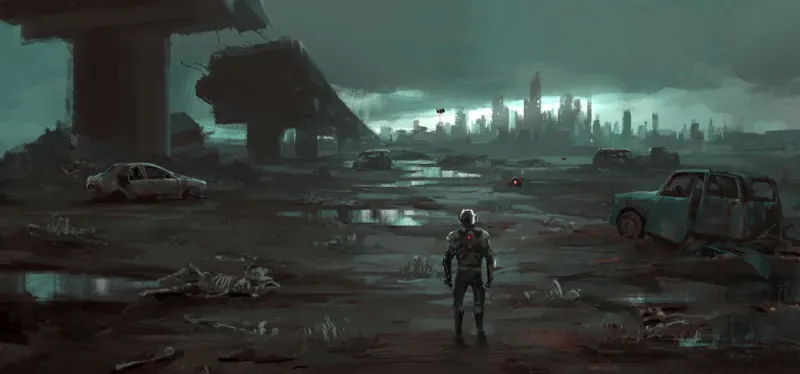
As the dominant species on Earth, humans have had a significant impact on the planet and its ecosystems. But have you ever wondered what would happen if we suddenly disappeared? Today, we'll talk about how the Earth would change if humans became extinct. From the revival of wildlife to the reshaping of landscapes, the absence of human activity would have profound effects on our planet.
1. Wildlife Flourishing
One of the most noticeable changes would be the revival and flourishing of wildlife populations. Without human interference, animal species that have been pushed to the brink of extinction would have a chance to recover and thrive. Natural habitats would begin to reclaim their original territories, providing sanctuary for diverse species. Forests would expand, grasslands would flourish, and wetlands would regenerate. Endangered species, such as tigers, elephants, and rhinos, would have a chance to rebound in the absence of poaching and habitat destruction. Predators that have faced human persecution, like wolves and bears, would regain their ecological roles. The reemergence of these species would create a more balanced and vibrant ecosystem, allowing for the natural regulation of populations and the restoration of intricate food webs.
2. Changing Landscapes
Without human intervention, the Earth's landscapes would undergo dramatic transformations. Cities and urban areas, once bustling with human activity, would gradually decay and be reclaimed by nature. Skyscrapers would crumble, and concrete jungles would give way to literal jungles. Nature would slowly erase the marks of human civilization, with plants and animals reclaiming abandoned structures. Agricultural fields, once meticulously maintained, would be overtaken by native plants and become fertile grounds for diverse plant communities. Without human cultivation, some domesticated crops would struggle to survive, while others might adapt and revert to their wild ancestors. The countryside would transform into a mosaic of natural habitats, providing havens for wildlife and allowing for the natural regeneration of ecosystems.
3. Healing Oceans
The world's oceans would also undergo significant changes in the absence of human influence. Overfishing, pollution, and climate change impacts would cease, allowing marine ecosystems to recover. Without commercial fishing operations, fish populations would rebound, and coral reefs would have a chance to regenerate. Marine life would thrive in healthier and more balanced habitats. Plastic pollution, one of the most pressing environmental issues, would gradually diminish as plastic waste breaks down naturally and is absorbed by the environment. This process would take time, but eventually, the oceans would become cleaner, and marine creatures would benefit from the absence of harmful substances. The recovery of marine ecosystems would also have positive effects on the overall health of the planet, as oceans play a crucial role in regulating climate and supporting biodiversity.
4. Changing Climate Patterns
Human activities, particularly the burning of fossil fuels, have contributed to climate change. If humans were to disappear, greenhouse gas emissions would drastically decline, leading to changes in climate patterns. The levels of carbon dioxide in the atmosphere would gradually decrease as forests and other vegetation absorb the excess CO2. This reduction would help stabilize global temperatures and slow down the rate of climate change. However, it's important to note that some impacts of climate change, such as rising sea levels and altered weather patterns, would still persist for centuries due to the cumulative effects of past human actions. Nonetheless, the absence of human-induced emissions would provide a valuable opportunity for the planet to begin healing and adapting to a more sustainable climate regime.
5. Reconnecting With Nature
Perhaps one of the most profound changes if humans were to become extinct is the restoration of a true sense of wildness and the opportunity for the Earth to reclaim its natural state. Without our constant presence, the natural world would thrive and evolve independently, fostering a reconnection with the untouched beauty of the planet. The absence of human domination would allow for the emergence of a truly wild Earth, where nature could follow its course uninterrupted. This reconnection with nature would also offer future generations the chance to rediscover the wonders of the natural world. It would serve as a powerful reminder of the importance of conservation and responsible stewardship of our planet. By reflecting on how the Earth would change without our presence, we can gain a deeper appreciation for the delicate balance of our ecosystems and the need to protect and preserve them for generations to come.