Five Things We Did Before Cell Phones
In today's digital age, it's hard to imagine a time when cell phones didn't dominate our lives. However, there was a time when we relied on other means of communication and entertainment before the ad...
In today's digital age, it's hard to imagine a time when cell phones didn't dominate our lives. However, there was a time when we relied on other means of communication and entertainment before the advent of smartphones. Let’s take a trip down memory lane and explore five things we did before cell phones became an integral part of our daily routines.
1. Map Reading and Asking for Directions
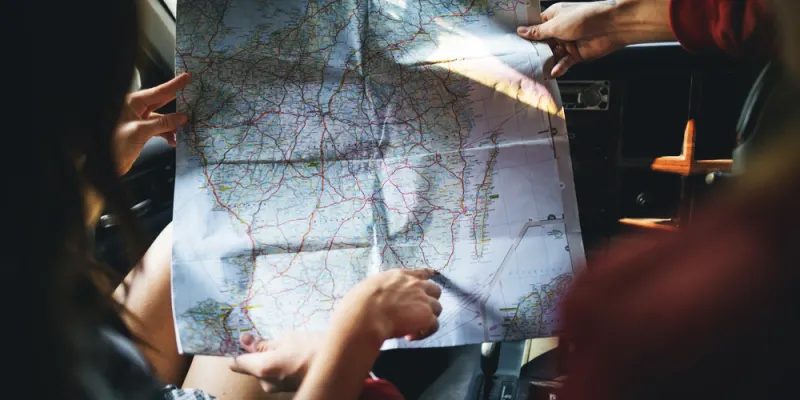
Before the era of GPS and navigation apps, getting from point A to point B required a different set of skills. We relied on paper maps, atlases, and road signs to navigate unfamiliar places. Planning a road trip meant poring over maps and plotting the best routes. We had to pay attention to road signs and landmarks, and sometimes we even had to stop and ask locals for directions. This reliance on traditional navigation methods added an element of adventure and spontaneity to our travels. It fostered a sense of curiosity and forced us to engage with our surroundings. While getting lost was occasionally frustrating, it often led to unexpected discoveries and memorable experiences along the way.
2. Making Plans and Sticking to Them
Before the convenience of instant messaging and group chats, making plans with friends required careful coordination and commitment. We had to decide on a time and place in advance and stick to it. We couldn't send a quick text to cancel or reschedule at the last minute. Instead, we relied on punctuality and personal responsibility to ensure everyone was on the same page. Making plans in advance had its advantages. It allowed us to anticipate and look forward to social gatherings. We valued face-to-face interactions and spent quality time with our friends and loved ones without the distractions of constant digital communication. While it required more effort and commitment, it fostered stronger connections and made our social interactions more meaningful.
3. Using Payphones and Phone Booths
Before cell phones became ubiquitous, public payphones and phone booths were our lifelines for communication when we were away from home. Whether it was making an important call, checking in with family, or arranging meet-ups, we relied on these public telephones to stay connected. Using a payphone often involved carrying a pocketful of change and memorizing important phone numbers. We had to look for well-known landmarks or establishments to locate the nearest payphone. Phone booths provided a small, private space for conversations. These communal communication hubs were a staple of urban landscapes and served as meeting points and information centers.
4. Entertaining Ourselves Offline
Before the era of smartphones and endless digital content, we found ways to entertain ourselves offline. Long car rides were filled with games like "I Spy" or the classic road trip bingo. We relied on books, magazines, and newspapers to keep ourselves occupied during flights or train journeys. When waiting in line or sitting in waiting rooms, we engaged in conversations with strangers or observed our surroundings. Offline entertainment meant being more present in the moment. We appreciated the small joys of everyday life and allowed our minds to wander. It encouraged creativity and imagination, fostering a sense of independence and self-reliance. While the digital world has brought convenience and endless entertainment options, there's a certain charm and simplicity in the offline activities we enjoyed before cell phones took over.
5. Remembering Important Information
Before the era of digital calendars and reminders, remembering important dates, phone numbers, and addresses relied on our memory and organizational skills. We had to recall birthdays, anniversaries, and appointments without the aid of automated notifications. Memorizing phone numbers was a common practice, and we often carried address books to keep track of contacts. This reliance on memory and organization cultivated cognitive skills and attention to detail. It required mental effort and created a stronger sense of personal responsibility. While technology has made information readily available at our fingertips, the ability to remember important details without relying on external devices is a skill worth preserving.