Five of the Most Dangerous Insects in the World
Insects are fascinating creatures that play crucial roles in our ecosystems. However, some insects possess venomous stings or bites that can cause severe harm or even be fatal to humans. From the buzz...
Insects are fascinating creatures that play crucial roles in our ecosystems. However, some insects possess venomous stings or bites that can cause severe harm or even be fatal to humans. From the buzzing of a mosquito to the silent approach of a venomous spider, these tiny creatures can pack a dangerous punch. Today, we'll take a closer look at five of the most dangerous insects in the world, including their characteristics, habitats, and the risks they pose to humans.
1. Mosquitoes
Mosquitoes may be small and seemingly harmless, but they are responsible for more human deaths than any other insect. These blood-sucking pests are carriers of deadly diseases such as malaria, dengue fever, Zika virus, and West Nile virus. Female mosquitoes feed on the blood of animals and humans, spreading diseases as they move from host to host. Mosquito-borne diseases are a significant global health concern, particularly in regions with warm and humid climates. Controlling mosquito populations through the use of insecticides, mosquito nets, and elimination of standing water breeding sites is crucial in reducing the transmission of these diseases.
2. Africanized Honey Bees
Africanized honey bees, also known as "killer bees," are a hybrid species that originated from the crossbreeding of African honey bees with European honey bees. They are highly aggressive and defensive, responding to threats with swarming attacks. While their sting is no more venomous than that of other bees, their aggressive nature and tendency to swarm in large numbers make encounters with Africanized honey bees particularly dangerous. The venom of Africanized honey bees can cause severe allergic reactions, and multiple stings from a swarm can be fatal, especially to those who are allergic or have been stung numerous times. It's important to exercise caution and seek immediate medical attention if you encounter a swarm of bees and are stung repeatedly.
3. Bullet Ants
Native to Central and South America, bullet ants are notorious for having one of the most painful insect stings in the world. Their name comes from the intense pain their sting causes, which has been compared to being shot. Bullet ants are large and aggressive, and they live in colonies, with worker ants diligently guarding their nests. The venom of a bullet ant contains a potent neurotoxin that causes excruciating pain, swelling, and intense local reactions. The pain from a bullet ant sting can last for up to 24 hours. In some indigenous cultures, initiation rituals involve intentionally subjecting individuals to multiple bullet ant stings to prove their courage and endurance.
4. Tsetse Flies
Tsetse flies are found in sub-Saharan Africa and are responsible for transmitting a parasitic disease called African trypanosomiasis, commonly known as sleeping sickness. These flies feed on the blood of vertebrate hosts, including humans. When infected with the trypanosome parasite, tsetse flies transmit the disease to humans through their bites. Sleeping sickness can be debilitating and, if left untreated, can be fatal. The disease causes a range of symptoms, including fever, fatigue, headaches, and eventually neurological problems. Prevention measures such as wearing protective clothing, using insect repellents, and sleeping under insecticide-treated bed nets are essential when traveling to areas where tsetse flies are prevalent.
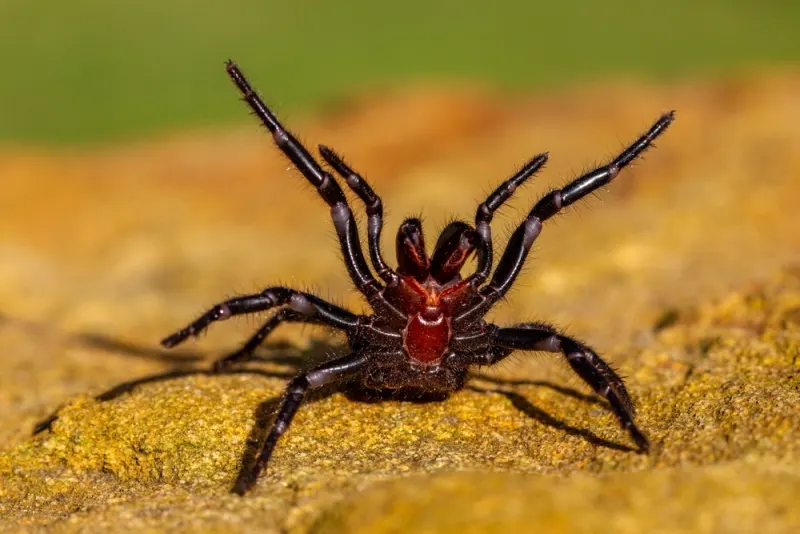
5. Sydney Funnel-Web Spider
The Sydney funnel-web spider is native to eastern Australia and is considered one of the world's deadliest spiders. It is known for its highly venomous bite, which can cause severe illness or death if left untreated. Male funnel-web spiders are particularly aggressive, and their venom is potent. The venom of the Sydney funnel-web spider affects the nervous system, causing symptoms such as severe pain, sweating, elevated heart rate, and respiratory distress. Immediate medical attention is crucial if bitten by a Sydney funnel-web spider. Fortunately, effective antivenom is available, and since its introduction in 1981, no deaths have been recorded from bites of funnel-web spiders.