Five Animal Intelligence Operatives
In the world of intelligence and espionage, humans have long been the mainstay. However, there are instances where animals have demonstrated extraordinary intelligence and have been enlisted to carry...
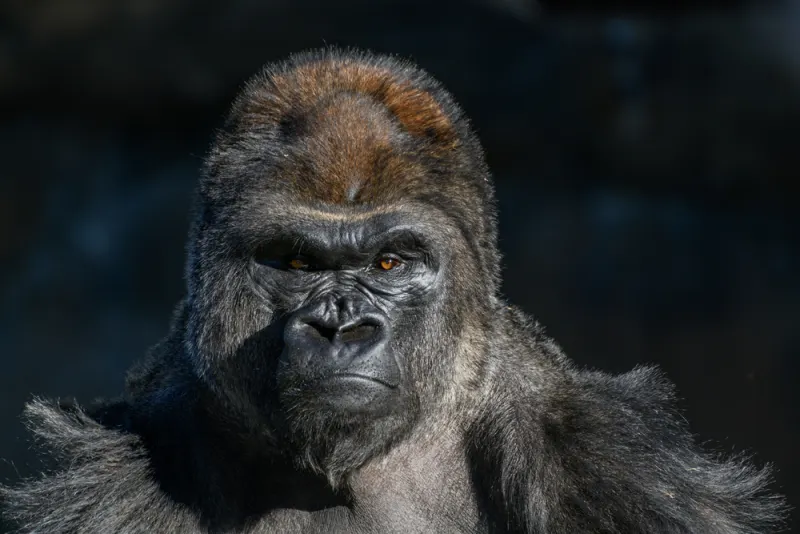
In the world of intelligence and espionage, humans have long been the mainstay. However, there are instances where animals have demonstrated extraordinary intelligence and have been enlisted to carry out covert operations. These incredible creatures possess innate skills, heightened senses, and remarkable adaptability that make them indispensable assets in the field. From dolphins and ravens to rats and dogs, this article explores five exceptional animal intelligence operatives, shedding light on their unique abilities and highlighting their contributions to the realm of clandestine missions.
1. Dolphins: Masters of the Deep
Dolphins, known for their playful nature and incredible agility, possess an intelligence that rivals many mammals. These cetaceans have captivated researchers with their problem-solving skills and exceptional underwater capabilities, leading to their involvement in classified missions. Dolphins' sonar-like echolocation abilities enable them to detect underwater mines and hidden objects, a task that is crucial in both military and rescue operations. Their training includes identifying and marking hazardous zones, locating lost equipment, and even assisting in the apprehension of enemy divers. Dolphins' cooperative nature, remarkable memory, and ability to comprehend complex instructions have made them invaluable in military and scientific endeavors. In the United States, the U.S. Navy's Marine Mammal Program has successfully deployed dolphins to safeguard naval bases and conduct sensitive underwater tasks. Their speed, agility, and acumen for detecting underwater threats make them indispensable assets in intelligence operations.
2. Ravens: Feathered Spies
Ravens, with their black plumage and piercing gaze, have been associated with mystery and cunning since ancient times. Their natural curiosity and intelligence have made them suitable candidates for intelligence operations. These avian spies excel in tasks that require observation, problem-solving, and information gathering. Due to their exceptional memory and cognitive abilities, ravens are adept at recognizing faces and remembering complex sequences of events. Their role in intelligence operations often involves reconnaissance and surveillance. Trained ravens can covertly observe targeted areas and relay information back to their handlers. The birds' remarkable navigational skills and keen eyesight enable them to identify potential threats or objects of interest from great distances. Their presence in classified missions has proven invaluable, allowing operatives to gather crucial intelligence without arousing suspicion.
3. Rats: Tiny Agents of Detection
Rats, despite their reputation as pests, have demonstrated incredible olfactory prowess and trainable intelligence, earning them a place as key operatives in detecting hidden substances and explosives. These small mammals possess a highly sensitive sense of smell, allowing them to identify and locate specific odors with astonishing accuracy. With proper training, they can detect even minute traces of illicit drugs, explosives, or chemical agents. Their agility and size make rats ideal for navigating tight spaces and accessing areas that would be challenging for humans. In urban environments, rats have been employed to search for contraband, locate survivors in disaster zones, and identify hidden tunnels and passages. Their ability to detect hidden threats swiftly and efficiently has saved countless lives and aided in the prevention of criminal activities.
4. Dogs: Canine Guardians
Dogs have long been hailed as man's best friend, but their loyalty and exceptional olfactory capabilities have also made them invaluable assets in intelligence operations. Their acute sense of smell enables them to detect a wide range of scents, including explosives, drugs, and even human remains. Specialized training programs have been developed to harness their innate abilities, allowing them to carry out vital tasks in various fields. Canine operatives are frequently deployed in counterterrorism operations, border security, and search and rescue missions. Their keen senses and unwavering loyalty make them adept at tracking and apprehending suspects, locating hidden contraband, and conducting searches in challenging terrains. Their presence brings an added layer of security and efficiency to intelligence operations, aiding in crime prevention and safeguarding lives.
5. Octopuses: Masters of Disguise
The octopus, with its remarkable ability to change color, shape, and texture, possesses an intelligence that has captured the attention of scientists and intelligence agencies alike. Their camouflage skills, combined with their problem-solving capabilities, make them potential candidates for covert operations in aquatic environments. Octopuses can blend seamlessly into their surroundings, making them elusive and difficult to detect. These intelligent cephalopods are being studied for their potential role in intelligence gathering and underwater surveillance. Their malleable bodies allow them to maneuver through tight spaces, retrieve objects, and potentially infiltrate enemy vessels or structures. Although their deployment is still in the experimental stages, octopuses' remarkable adaptability and camouflage abilities offer exciting prospects for future aquatic intelligence operations.