Common Household Items That Can Poison You
In the comfort of our homes, we often assume that our surroundings are safe and free from harm. However, there are several everyday household items that, if used improperly or accidentally ingested, c...
In the comfort of our homes, we often assume that our surroundings are safe and free from harm. However, there are several everyday household items that, if used improperly or accidentally ingested, can pose a significant risk to our health. It's essential to be aware of these potential hazards to ensure the safety of ourselves and our loved ones. This is why we’re going to explore five common household items that have the potential to poison you.
1. Cleaning Products
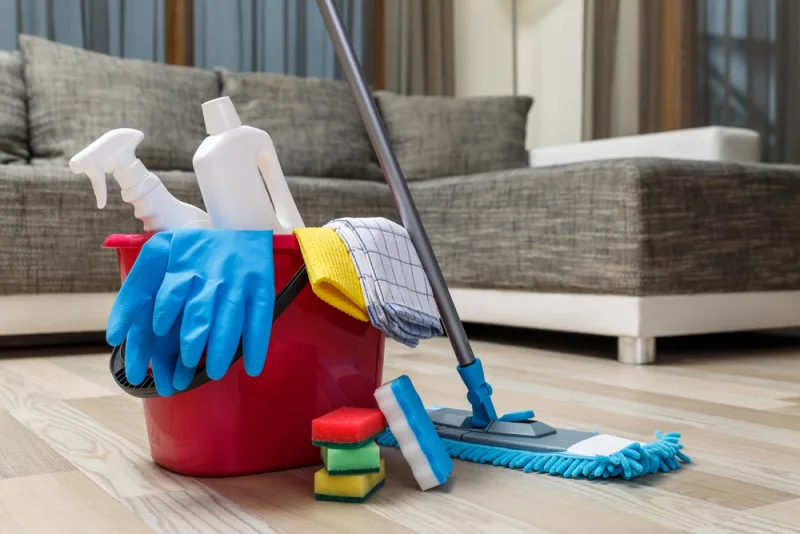
Cleaning products are essential for maintaining a clean and hygienic home. However, many of these products contain chemicals that can be toxic if ingested or come into contact with the skin or eyes. Common household cleaning agents such as bleach, disinfectants, and drain cleaners contain ingredients like ammonia, chlorine, or lye, which can cause severe health problems if misused. To prevent accidental poisoning, it's crucial to store cleaning products out of reach of children and pets and follow the instructions for their proper use. When using these products, ensure that the area is well-ventilated and wear protective gloves or masks if necessary. In case of accidental ingestion or exposure, it's important to seek immediate medical attention.
2. Medications
Medications play a vital role in maintaining our health, but when used incorrectly, they can be harmful. Prescription drugs, over-the-counter medications, and even vitamins and supplements can pose a risk if taken inappropriately or in excessive doses. Some medications, such as painkillers, sedatives, or blood thinners, can have serious side effects or interact negatively with other medications. To avoid medication poisoning, always follow the recommended dosage instructions provided by your healthcare professional or indicated on the packaging. Store medications in a secure location, away from children's reach. It's also crucial to properly dispose of expired or unused medications by following local guidelines or returning them to a pharmacy.
3. Cosmetics and Personal Care Products
Cosmetics and personal care products are part of our daily routine, but they can contain ingredients that are harmful if used improperly or ingested. Some common ingredients found in beauty products, such as lead in certain lipsticks or formaldehyde in nail polishes, can have toxic effects on the body. To minimize the risk of poisoning, be mindful of the ingredients in your cosmetics and personal care products. Read labels carefully and choose products from reputable brands. Avoid sharing cosmetics to prevent the spread of bacteria or viruses. If you experience any adverse reactions or symptoms after using a product, discontinue its use and seek medical advice if necessary.
4. Pesticides
Pesticides are commonly used to control pests and insects in and around the home. However, these chemical compounds can be highly toxic if not handled properly. Exposure to pesticides through inhalation, ingestion, or skin contact can lead to poisoning symptoms ranging from mild irritation to severe health complications. When using pesticides, always follow the instructions provided on the product label. Wear appropriate protective gear, such as gloves, masks, or goggles, to minimize exposure. Keep children and pets away from treated areas, and ensure proper ventilation during application. If you suspect pesticide poisoning, contact a poison control center or seek medical attention immediately.
5. Batteries
Batteries power many of our everyday devices, from remote controls to children's toys. However, certain types of batteries, such as button cell batteries or rechargeable lithium-ion batteries, can pose a significant poisoning risk if swallowed. To prevent battery-related poisoning incidents, keep batteries out of the reach of young children and ensure that battery compartments are secure in devices. When disposing of batteries, follow local regulations for their safe disposal or recycling. If a battery is accidentally swallowed, seek medical help immediately, as it can cause serious internal injuries.