Animals With Interesting Digestive Systems
The digestive system is a remarkable and vital aspect of an animal's physiology. While humans have a complex digestive system, there are numerous fascinating examples in the animal kingdom that demons...
The digestive system is a remarkable and vital aspect of an animal's physiology. While humans have a complex digestive system, there are numerous fascinating examples in the animal kingdom that demonstrate unique adaptations and capabilities. In this article, we’ll take a closer look at five animals with interesting digestive systems. Let’s dive in.
1. Koalas
Koalas, those adorable tree-dwelling marsupials native to Australia, have a digestive system specifically adapted to their diet of eucalyptus leaves. These leaves are tough and fibrous, containing toxic compounds that would be harmful to most animals. However, koalas have a specialized digestive system that allows them to break down and process these leaves. Koalas possess a long digestive tract with an enlarged cecum, a pouch-like structure located at the beginning of the large intestine. The cecum acts as a fermentation chamber where bacteria break down the tough cellulose present in eucalyptus leaves. This fermentation process allows the koalas to extract nutrients and energy from the leaves. Despite their unique adaptation, the digestive process in koalas is inefficient, requiring them to conserve energy by sleeping for long periods.
2. Cow
Cows are known for their ability to digest plant material, including cellulose-rich grasses, thanks to their specialized digestive system. They are ruminants, meaning they have a four-chambered stomach that aids in the breakdown of plant matter. The first chamber, the rumen, is a large fermentation vat where microbes break down cellulose into simpler compounds. Cows have a symbiotic relationship with these microbes, as they produce enzymes capable of digesting cellulose. The partially digested material, known as cud, is regurgitated and chewed again to further break it down. This process allows cows to extract nutrients from plant material that would be indigestible to many other animals. The other chambers of the cow's stomach, the reticulum, omasum, and abomasum, further process the digested material before nutrients are absorbed into the bloodstream.
3. Hummingbirds
Hummingbirds are known for their high-energy lifestyle, fueled by nectar from flowers. Their unique digestive system is adapted to meet their rapid metabolic demands. Despite their small size, hummingbirds have an incredibly high metabolism and require a constant supply of energy-rich food. Hummingbirds have a long, tube-like tongue that allows them to reach deep into flowers to extract nectar. Once the nectar is ingested, it enters the hummingbird's specialized digestive system. Their digestive tract is short but highly efficient, quickly breaking down the simple sugars in nectar. Hummingbirds also have a rapid rate of digestion, allowing them to process nectar at an impressive speed. To compensate for their fast metabolism, hummingbirds must consume large amounts of nectar and insects daily to meet their energy requirements.
4. Pythons
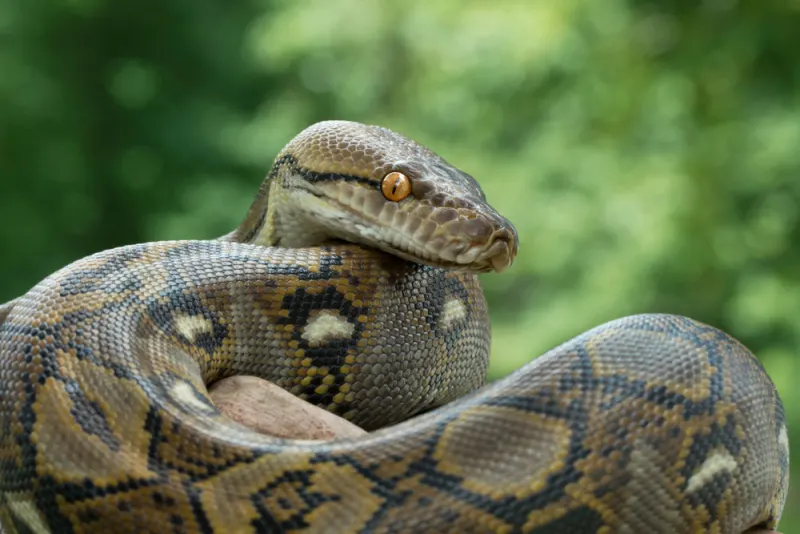
Pythons, among the largest snakes in the world, have an astonishing digestive system that enables them to consume prey much larger than their own size. When pythons capture their prey, they engulf it whole, stretching their jaws and dislocating their jawbones to accommodate the prey's size. Once the prey is inside, the python's stomach undergoes remarkable adaptations. The python's stomach can stretch and expand significantly, allowing it to accommodate prey several times its own diameter. Additionally, the python's digestive system undergoes significant changes during digestion. The python's metabolic rate increases, and its digestive enzymes become highly active, breaking down the prey's tissues. This process can take several days or even weeks, during which the python's digestive system is entirely focused on processing and absorbing the nutrients from its massive meal.
5. Leafcutter Ants
Leafcutter ants have a highly specialized digestive system that enables them to consume and process leaves, which are typically challenging to digest for most animals. These ants are known for their impressive leaf-cutting behavior, where they harvest and transport plant leaves back to their colonies. Upon returning to the colony, the leafcutter ants use the leaves to cultivate a specific type of fungus. The ants chew the leaves into a paste and use it to nourish the fungus, which becomes their primary food source. The ants then feed on the fungus, which has broken down the cellulose and transformed the leaf material into a more digestible form. This symbiotic relationship between leafcutter ants and the fungus allows the ants to obtain nutrients from plant material that would be otherwise indigestible to them.